The Alchemists of Oaxaca: Smoke, Corn, and Mole Negro
Published November 02, 2024 • Words by 111111 Editorial
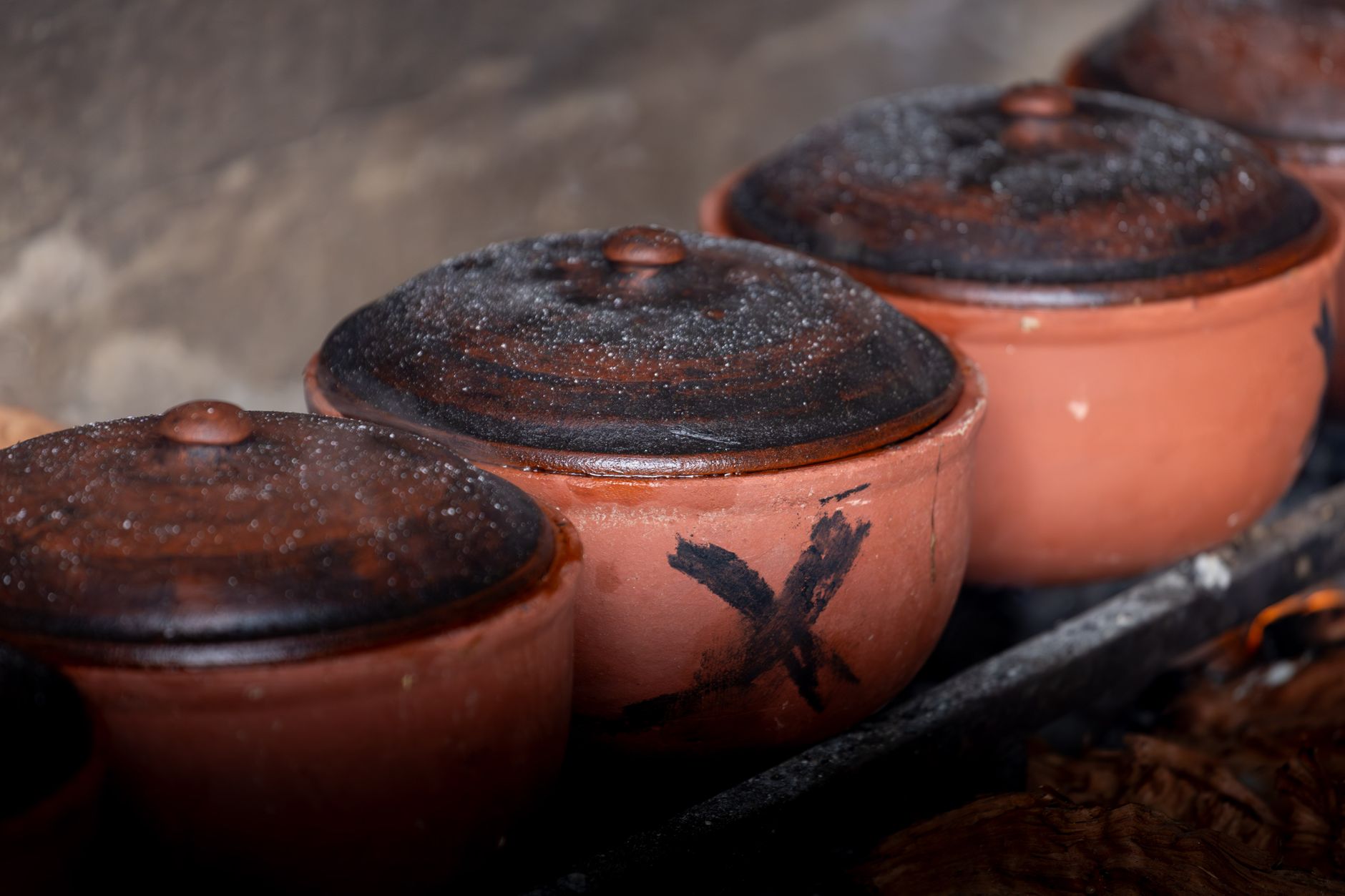
In the central valleys of Oaxaca, smoke is not merely an incidental byproduct of cooking; it is an active ingredient, a spiritual companion, and a timekeeper. Inside the shaded courtyard of Doña Juana in Teotitlán del Valle, thirty distinct dried ingredients are arranged across ceramic trays: mulato and pasilla chiles, plantains, raisins, Mexican cinnamon, cloves, pumpkin seeds, and bitter wild cacao.
The Geometry of Flavor
True Mole Negro is an exercise in restraint and patience. The chile seeds must be deliberately blackened over an open comal until smoke fills the room, yet pulled milliseconds before turning acrid. The result is a glossy, ink-black sauce containing twenty layers of velvet flavor—simultaneously bitter, savory, earthen, and delicately sweet.
We spent four consecutive mornings watching the nixtamalization of heirloom blue bolita corn. When ground on volcanic stone metates, the aroma is buttery, mineral-rich, and entirely distinct from industrial cornmeal.
“Maize is our blood and memory. If we stop planting our grandmothers' seeds, our language will soon follow them into silence.”
Navigating Oaxaca’s Culinary Landscape
For travelers eager to taste this region with ethical awareness:
- Venture beyond the capital: Take collective taxis to Sunday markets in Tlacolula for handmade barbacoa and tejate.
- Learn about mezcal sustainability: Insist on certified wild agave preservation cooperatives that replant four agaves for each one harvested.
- Never bargain aggressively: Ceramic pots and woven rugs represent weeks of manual labor; pay the asking price with gratitude.